
How we designed, legally structured, and scaled sweepstakes campaigns for a US streaming platform and AI Universa. We turned a legal technicality into the highest-leverage acquisition format either brand had ever run.
Sweepstakes sit at the intersection of three things that normally don't coexist: the pull of a casino-grade prize, the reach of a viral mechanic, and (done correctly) full legal compliance with US and EU promotional law. Almost nobody uses the format well. We built a repeatable system for the brands that do.
A discount code, an email pop-up, a paid ad. Diminishing returns, rising CAC, zero story.
A press hook, a referral engine, a reason to opt in, and a grand prize people talk about before, during, and after the drawing.
In the US, an offer only counts as illegal gambling when three elements are all present: prize, chance, and consideration (something of value paid to enter). Remove consideration (by guaranteeing a genuinely free way to enter and win) and the same mechanic that would otherwise be a lottery becomes a legal sweepstakes, regulated by promotional and contest law instead of gambling law. This is the same structural loophole that lets US social casinos hand out "Sweeps Coins" for free alongside a purchasable "Gold Coin" currency: the free path is what keeps the whole model on the right side of the line.
Every campaign we run is structured around a genuine Alternate Method of Entry (AMOE), typically a free mail-in or online form, that carries statistically equal odds to any paid or engagement-based entry path. Official Rules are drafted and published before launch, a neutral sponsor entity is named, and odds, eligibility, and dates are disclosed up front.
We also maintain a live exclusion list: states and jurisdictions where the mechanic can't run as structured (typically due to registration/bonding requirements above a prize-value threshold, e.g. New York and Florida past certain limits, or outright restricted jurisdictions like Puerto Rico). We geo-fence entries accordingly before a single dollar of media spend goes out.
We don't improvise the legal side or the growth side separately. They're built together, in this order.
Before any creative goes out, the campaign has a legal skeleton it can't outgrow later.
The prize structure decides the entire funnel. We design it to reward action, not just luck.
The legal structure and the grand prize both become press and creative material, not just fine print.
The sweepstakes is the acquisition event; what happens after the draw is the actual return.
Anonymized email performance and total sales from the Black Friday Cybertruck sweepstakes, measured against that brand's own average campaign, and its own baseline, across the surrounding year.
Figures shown are real, anonymized performance from the campaign referenced above: email-channel metrics aggregated by month, and total daily sales aggregated across the campaign window. Individual campaign names are withheld under NDA. Sales fell back to within the pre-campaign baseline the day after the promotion ended, which is what lets us attribute the lift to the campaign itself rather than a seasonal trend.
"We ran their Black Friday sweepstakes and broke the company's day and month revenue records. Up 60% on the year before, and on everything else they ran that year."
A US streaming platform · US market
Every launch is checked state-by-state (and country-by-country for EU runs) before media spend begins.
The AMOE isn't decorative. It's built to withstand scrutiny, with equal odds and no hidden friction.
Odds of winning, total prizes, and start/end dates are published and kept consistent across every asset.
Any prize worth $600 or more triggers a 1099-MISC to the winner and the IRS. We collect a signed prize-acceptance form and W-9 (with SSN) before a single item ships, not after.
Official Rules explicitly bar "buy it to win it, then return it" behavior. Anyone caught gaming entries this way is disqualified and banned from future promotions.
Where a brand wants a lower age floor, entrants as young as 13 can be allowed if a parent or guardian formally accepts the prize, agrees to the rules, and takes on any tax reporting.
This page describes the general legal structure that governs sweepstakes promotions in the US (the prize/chance/consideration framework and the Alternate Method of Entry). It is provided for informational purposes as part of a case study and is not legal advice. Every campaign we run is reviewed against current state and federal law by qualified counsel before launch, and specifics vary by jurisdiction, prize value, and brand.
We didn't invent this mechanic. We built a repeatable system around it. Here's the same legal structure at work on two campaigns we didn't run: independent, publicly observed proof this is a standard growth channel, not a novelty.
5 grand winners get a full "Halloween Takeover" (Lowe's, Target, and MrBeast Merch gift cards plus 7,200 bars); 10 mid-tier winners get a 900-bar "neighborhood supply"; 100 winners get a 180-bar "household supply." The AMOE runs two ways at once: buy-and-upload-a-receipt (each item = 1 entry, capped at 2/day) alongside a published free-entry link, with full odds/eligibility/sponsor disclosure in the footer of every promo page.
A hand-printed 3×5 card, one per envelope, worth exactly 10 entries, codified precisely enough that it can't be gamed by automation. Eligibility runs as low as 13, with a parent or guardian accepting the prize and any tax obligation on the minor's behalf. And the rules explicitly bar buying an item to enter, then returning it: grounds for disqualification and a promotion-wide ban.
Feastables and Danny Duncan are shown as independent, publicly observed examples of the same legal mechanic. They are not LTB clients, and this is not an endorsement or affiliation.
A first-pass read on the US state requirements your prize structure would trigger. Two inputs, instant answer.
First-pass guidance only, based on the general state rules described above. Not legal advice. Every campaign we run gets a full jurisdiction review by qualified counsel before launch.
Yes, when structured correctly. A promotion is only illegal gambling when prize, chance, and consideration are all present. A compliant sweepstakes removes consideration by guaranteeing a genuinely free way to enter with equal odds (an Alternate Method of Entry), so it's governed by promotional law rather than gambling law. The full checklist is in our guide to running a legally compliant sweepstakes.
Days, not months. The legal scaffolding (official rules, AMOE, state exclusion list) and the creative are built side by side from one brief, so the campaign arrives ready to run and cleared to run.
You need counsel to sign off, not to build. Every campaign ships with a complete rules pack (official rules, disclosures, state exclusions) prepared for your lawyer to review and approve before launch.
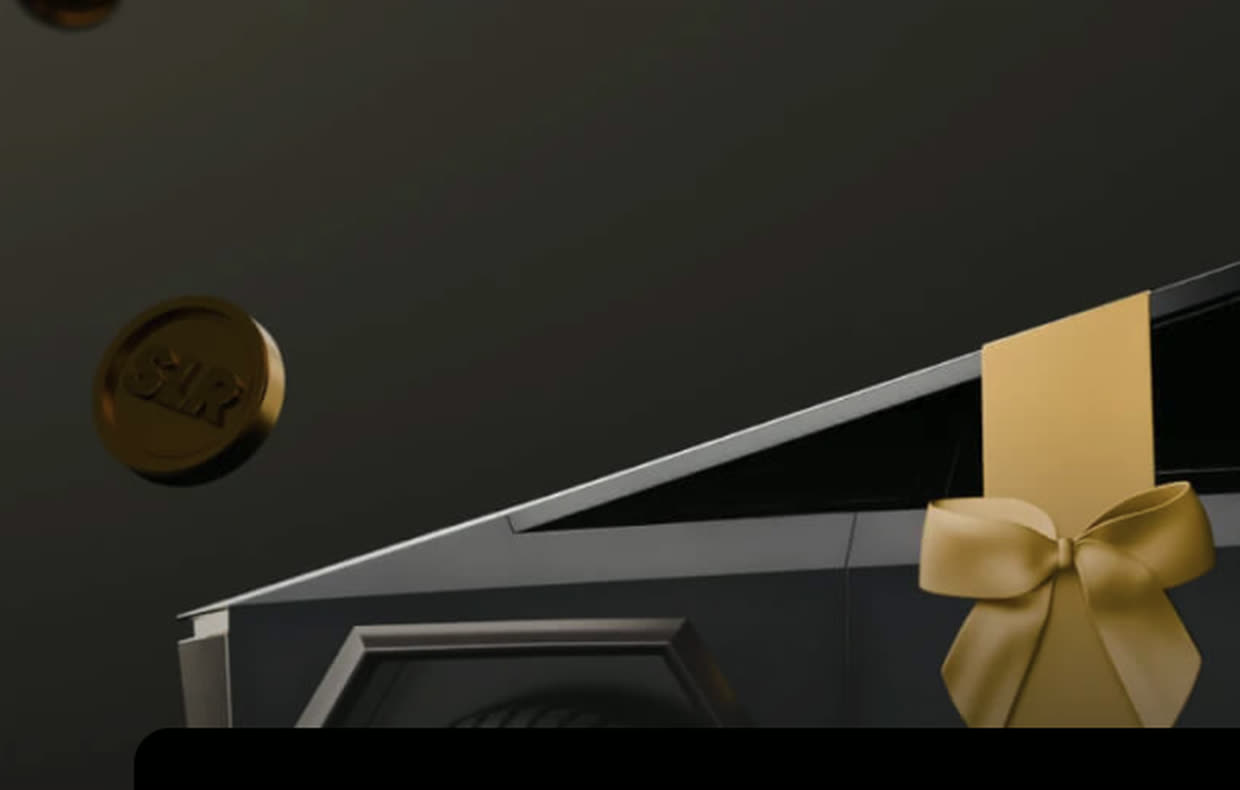
A single, disproportionately desirable grand prize as the headline hook (like a Cybertruck), with a tiered instant-win layer underneath so most entrants get a reason to keep engaging, plus referral-based bonus entries.
Every entrant is captured into owned email and SMS with consent handled at entry. A post-draw remarketing sequence converts entrants who didn't win into customers. The sweepstakes is the acquisition event; what happens after the draw is the actual return.
Yes. Most European markets allow purchase-linked sweepstakes when entries are free with a normally-priced product and a free entry route with equal odds exists. Country specifics vary; see our country-by-country guide.
The full legal structure, the four phases, and the state-by-state checklist, formatted to share with your team or your counsel.
We'll walk through your category, your prize budget, and which states or markets make sense. No deck, just the plan.